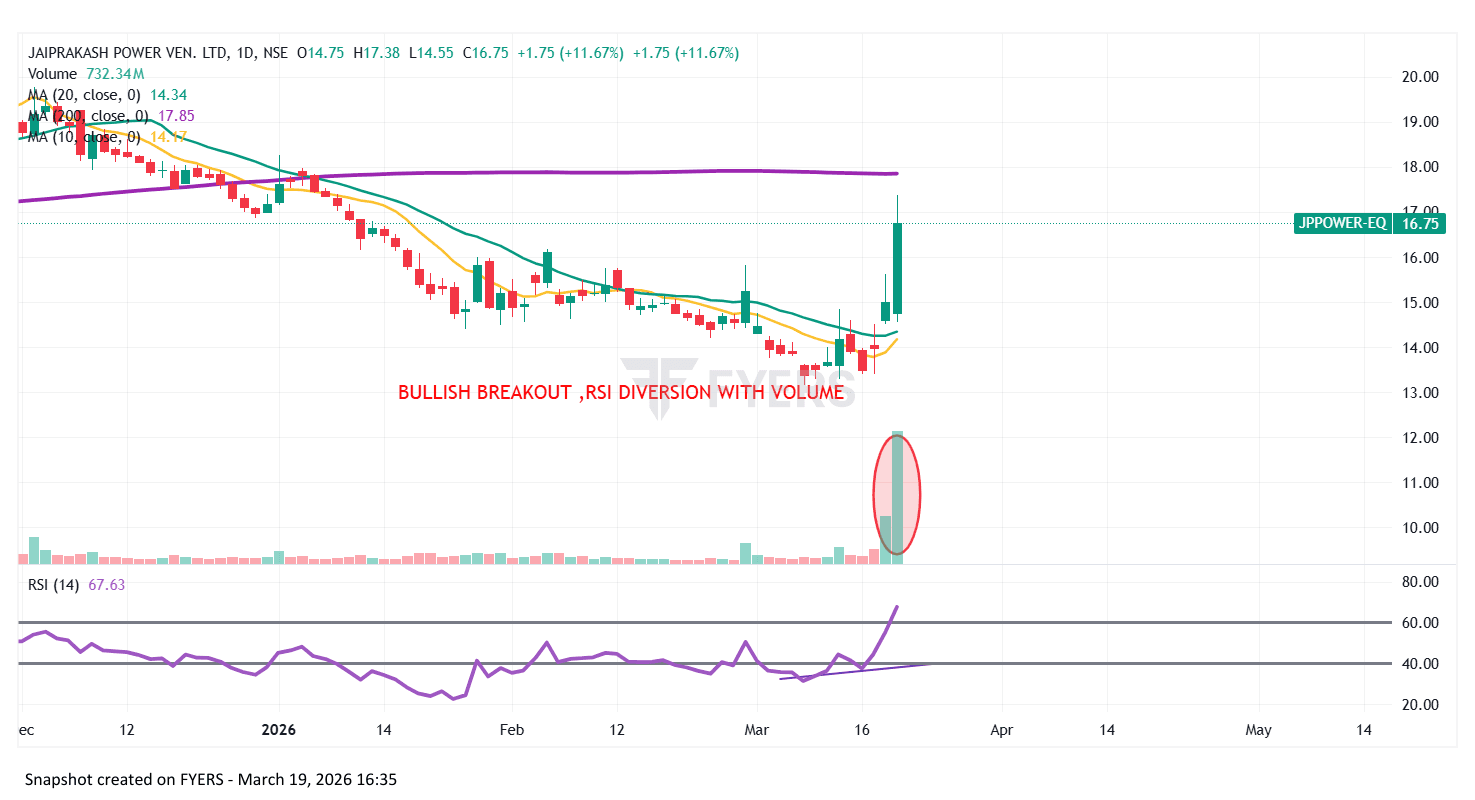
Strengths (S)
Diversified Power Portfolio
Presence in both thermal and hydro power generation, providing diversification in energy sources.
Operational Assets
Established power plants with existing PPAs (Power Purchase Agreements) ensure some revenue visibility.
Weaknesses (W)
High Debt Levels (Historical)
The company has faced significant debt burden, impacting profitability and balance sheet strength.
Low Return Ratios
Due to financial stress, return on equity (ROE) and return on capital employed (ROCE) have remained weak.
Opportunities (O)
Rising Power Demand in India
Increasing electricity demand supports long-term growth in the power sector.
Debt Reduction & Asset Monetization
Selling non-core assets and reducing leverage can significantly improve valuation.
Threats (T)
Regulatory Risks
Power tariffs and government policies can directly impact profitability.
Fuel Supply Issues
Thermal power plants depend on coal availability and pricing.
Interest Rate Risk
High debt makes the company sensitive to rising interest rates.
Execution & Turnaround Risk
Delay in restructuring or failure to improve financials may keep stock under pressure.
Brief Investment View
Positives: Turnaround story, asset base, exposure to power demand growth.
Risks: High debt, weak financial history, and execution challenges.
JP Power is generally seen as a high-risk, turnaround-driven stock, suitable only for investors with strong risk appetite and long-term patience.
Disclaimer
Aashish Rajput is a SEBI Registered Research Analyst (Registration No. INH000013174). The above analysis is for educational and informational purposes only and should not be considered as investment advice or a recommendation to buy or sell any securities. Stock market investments are subject to market risks. Please read all related documents carefully before making any investment decisions.