14th Apr 2025 · SEBI-Registered Analyst
Investment Insights with Adarsh · 14th Apr 2025
Auction Trades and Penalty Mechanism in the Stock Market
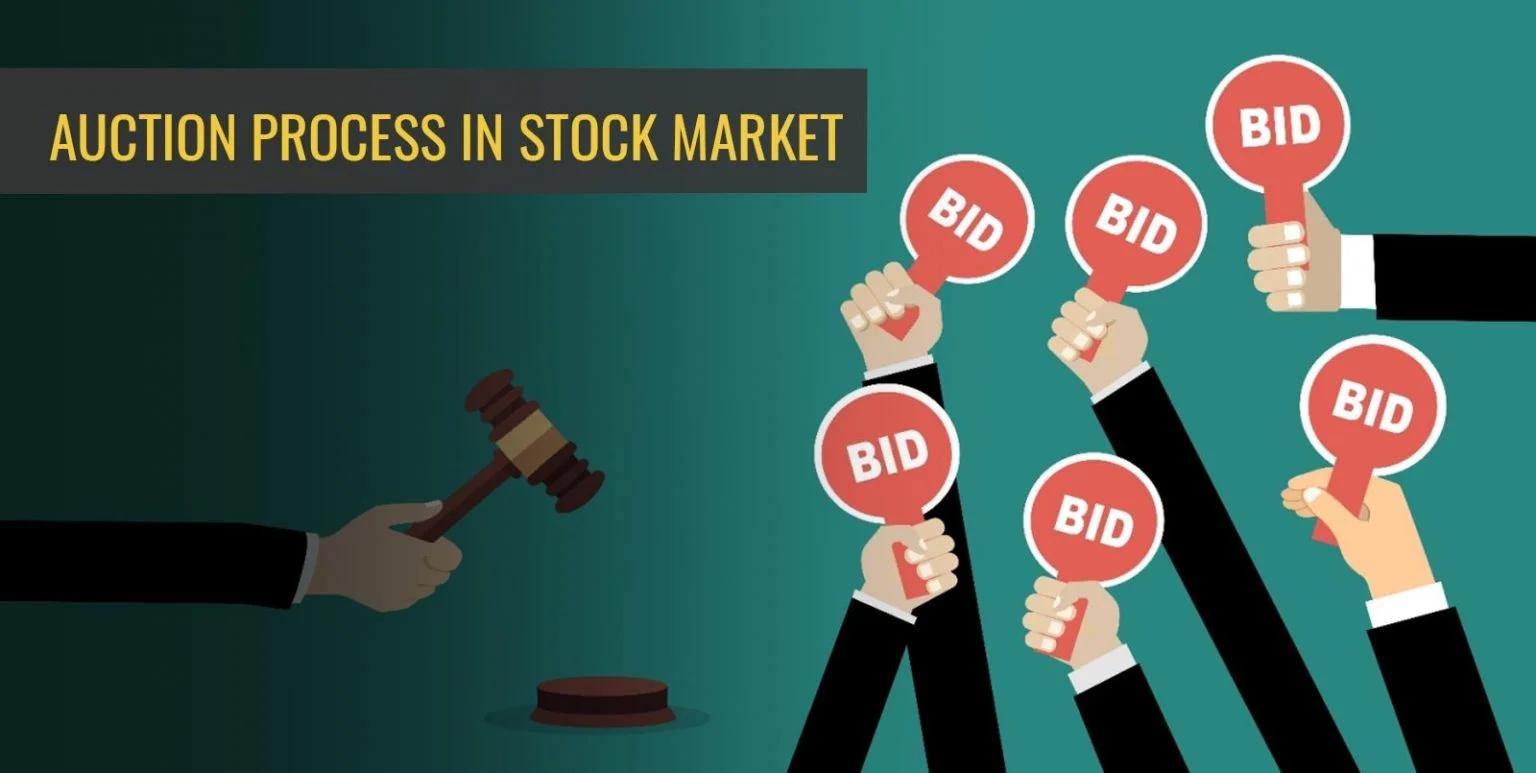
1. Introduction Have you ever heard of someone being penalized for not delivering shares on time after selling them? This leads to something known as auction trading. 2. What Triggers an Auction Trade? An auction trade is triggered when: A seller fails to deliver shares after a T+1 settlement (from Jan 2023 onwards) The buyer has paid but doesn't receive the shares in their demat account 3. How Does the Auction Process Work? Here’s what happens step-by-step: Trade Date (T): You sell a stock. T+1 Day: You’re supposed to deliver the stock to the exchange. If You Fail: The exchange takes over and schedules an auction on T+2. T+2 Auction Day: Exchange tries to procure the same stock from the open market The buyer is compensated with those shares The defaulter (you) pays the price difference + penalty 4. Penalty and Charges The penalty can vary: If the stock is available in auction: You pay difference between your sale price and auction price + 20% penalty If stock is illiquid or not available: You pay up to 20% of the sale value SEBI mandates these penalties to be transferred to the buyer as compensation So yes, the buyer actually benefits when the seller defaults! 5. Common Reasons for Auction Trades Selling shares not available in demat (BTST gone wrong) Pledging shares and forgetting to unpledge before sale Delays in off-market transfers Technical glitches in broker platforms Most retail investors face auction unknowingly during Buy Today, Sell Tomorrow (BTST) trades. 6. How to Avoid Auction Penalties Always sell only after shares reflect in your demat account Avoid selling pledged shares unless they’re released Confirm T+1 settlement timelines Avoid aggressive BTST strategies unless you're confident of delivery 7. Auction Window Timings Auctions usually take place between 2:00 PM to 2:45 PM on T+2 The settlement of auction shares happens on T+3 If no shares are found, the buyer receives cash settlement + penalty.