25th Mar 2025 · SEBI-Registered Analyst
Investment Insights with Adarsh · 25th Mar 2025
CANDLESTICK PATTERNS AND THEIR SIGNIFICANCE (PART 2)
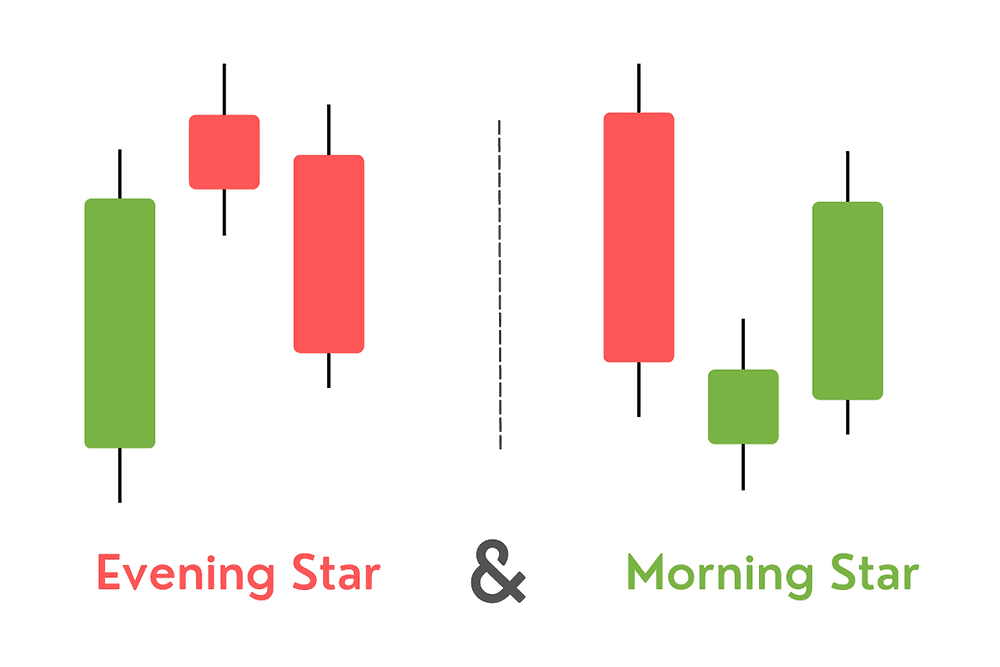
3. Hanging Man: o Significance: A hanging man has the same shape as a hammer, but it appears after an uptrend. It has a small body and a long lower wick, suggesting that sellers pushed the price down, but buyers fought back. o Interpretation: A hanging man is a bearish reversal pattern, signaling that the uptrend might be losing momentum, and a potential downturn could be coming. 4. Engulfing Pattern: o Significance: An engulfing pattern involves two candles where the second candle completely engulfs the first one. If the second candlestick is bullish (green) and larger than the previous bearish (red) one, it's called a bullish engulfing pattern. If the second is bearish and engulfs a previous bullish candle, it’s called a bearish engulfing pattern. o Interpretation: Bullish engulfing patterns suggest a potential reversal to the upside, while bearish engulfing patterns indicate the possibility of a reversal to the downside. Multiple Candlestick Patterns: These are formed by two or more candlesticks and are commonly used to predict future price movements. 1. Morning Star: o Significance: This is a three-candlestick pattern that signals a potential bullish reversal. It consists of: A large bearish candlestick. A small-bodied candlestick (either bullish or bearish), typically a Doji, indicating indecision. A large bullish candlestick that closes above the midpoint of the first candlestick. o Interpretation: The morning star is considered a strong bullish reversal pattern, especially after a downtrend. 2. Evening Star: o Significance: The evening star is the opposite of the morning star and signals a potential bearish reversal. It consists of: A large bullish candlestick. A small-bodied candlestick (often a Doji). A large bearish candlestick that closes below the midpoint of the first candlestick. o Interpretation: The evening star is a strong bearish reversal pattern, especially after an uptrend.