21st May 2025 · SEBI-Registered Analyst
Investment Insights with Adarsh · 21st May 2025
Debt Management: How to Handle Loans and Credit Wisely
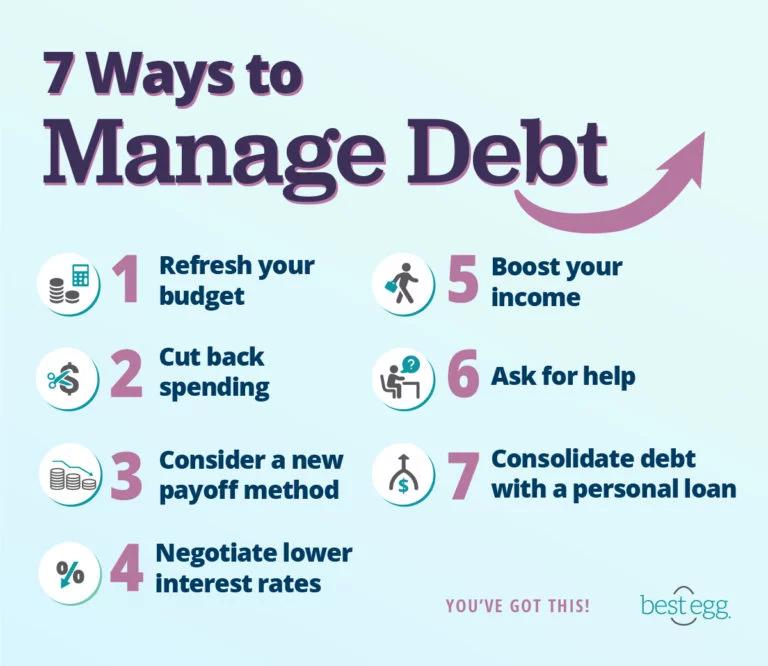
Debt management is the process of keeping your borrowings under control so that they don’t negatively affect your finances or mental peace. It’s not just about paying EMIs on time — it’s about using credit responsibly and clearing debts in a structured, smart way. Why Debt Management Matters Uncontrolled debt can lead to high interest costs It affects your credit score and future borrowing ability It creates mental stress and limits your savings or investing potential Proper management can help you become debt-free faster and build wealth Types of Debt Good Debt – Loans that create future value like education loans, business loans, or home loans Bad Debt – High-interest loans like credit cards, personal loans used for luxury or consumption Steps for Effective Debt Management Know how much you owe – List all your loans, EMIs, interest rates, and tenures Prioritize high-interest debts – Pay off credit cards or personal loans first Never miss a payment – Set reminders or auto-pay for EMIs Avoid taking multiple new loans unless absolutely needed Use any extra income (bonus, side hustle) to reduce loan burden Negotiate better interest rates if your credit score is good Consolidate loans if you have many small EMIs – it reduces complexity Smart Borrowing Habits Borrow only when needed, not for lifestyle expenses Read all terms before taking a loan or using a credit card Keep your debt-to-income ratio below 30% Use credit cards for benefits, but always pay in full to avoid interest Maintain a good credit score by paying bills and EMIs on time Warning Signs of Bad Debt You are using one loan or credit card to pay another You are only paying minimum dues, not full EMIs You’re unable to save anything after debt payments You are receiving collection calls or penalties You feel stressed or overwhelmed thinking about money