18th May 2025 · SEBI-Registered Analyst
Investment Insights with Adarsh · 18th May 2025
Debt to Equity Ratio (D/E)
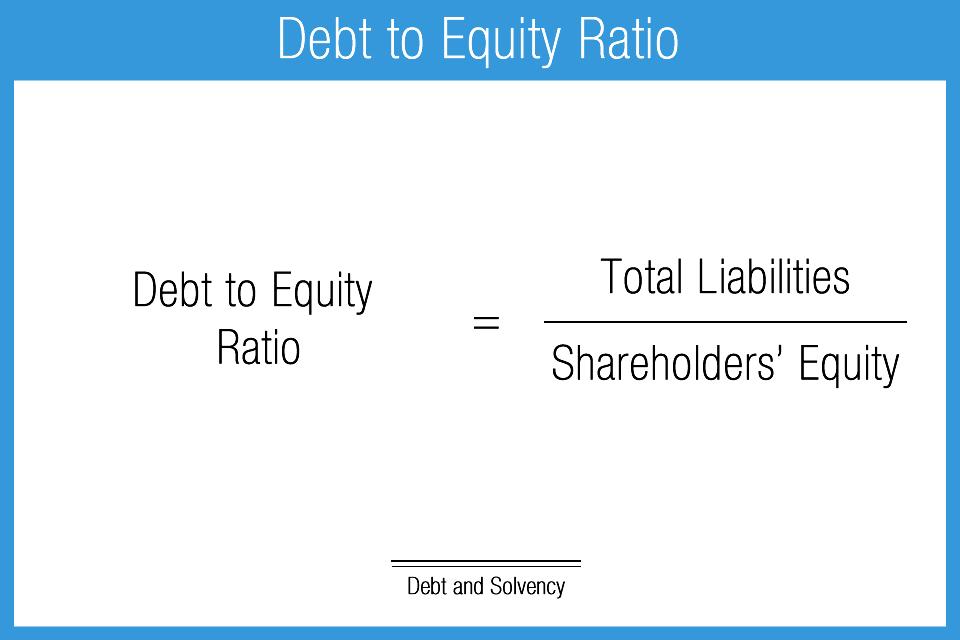
What is Debt to Equity Ratio? The Debt to Equity Ratio is a leverage ratio that compares a company’s total debt to its shareholders' equity. It indicates how much debt the company is using to finance its operations relative to the value of shareholders’ investments. This ratio helps investors assess the financial risk and long-term solvency of a business. Formula: Debt to Equity Ratio = Total Debt / Shareholders' Equity Where: • Total Debt includes both short-term and long-term liabilities (like bank loans, bonds, etc.) • Shareholders’ Equity includes share capital + retained earnings Why is D/E Important? • Shows how aggressive a company is in financing its operations with debt rather than equity. • Helps assess the company’s ability to meet its financial obligations. • High D/E may signal financial risk but could also indicate strategic leverage in capital-intensive sectors. Interpretation: • D/E < 1: The company is primarily financed through equity. Generally considered safer. • D/E = 1: Debt and equity are balanced. • D/E > 1: The company is more heavily financed through debt. May be riskier in downturns. The "ideal" D/E varies by industry. For example: • IT or FMCG companies often have a low D/E ratio. • Infrastructure, telecom, or manufacturing firms may operate with higher D/E due to capital intensity. Use in Analysis: • Investors use D/E to understand risk—especially credit risk and solvency. • Creditors look at D/E to decide loan terms and limits. • A rising D/E ratio may signal future repayment or interest issues if cash flow isn’t strong. Conclusion: The Debt to Equity Ratio offers insights into a company's capital structure and financial risk. While debt can boost returns in good times, excessive leverage can be dangerous if earnings decline or interest rates rise.