6th Mar 2025 · SEBI-Registered Analyst
Investment Insights with Adarsh · 6th Mar 2025
Earnings Per Share (EPS) – Explained Simply
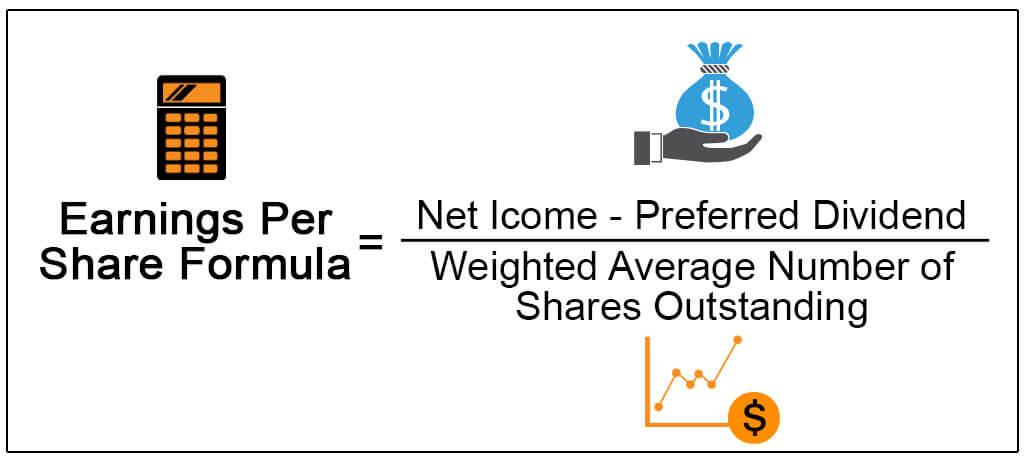
EPS (Earnings Per Share) tells us how much profit a company makes for each share of its stock. It helps investors understand how profitable a company is. How is EPS Calculated? The formula for EPS is: EPS= Net Profit−Preferred Dividends / Total Number of Shares Net Profit – The company’s total earnings after all expenses (taxes, salaries, rent, etc.). Preferred Dividends – The amount of profit paid to preferred shareholders (if any). Total Number of Shares – The total number of shares the company has issued. Why is EPS Important? Higher EPS = Better Profitability → The company is making more money per share. Investors Compare EPS → It helps in deciding which company is performing better. Used in P/E Ratio → Investors check if a stock is overvalued or undervalued.