20th May 2025 · SEBI-Registered Analyst
Investment Insights with Adarsh · 20th May 2025
Earnings Yield
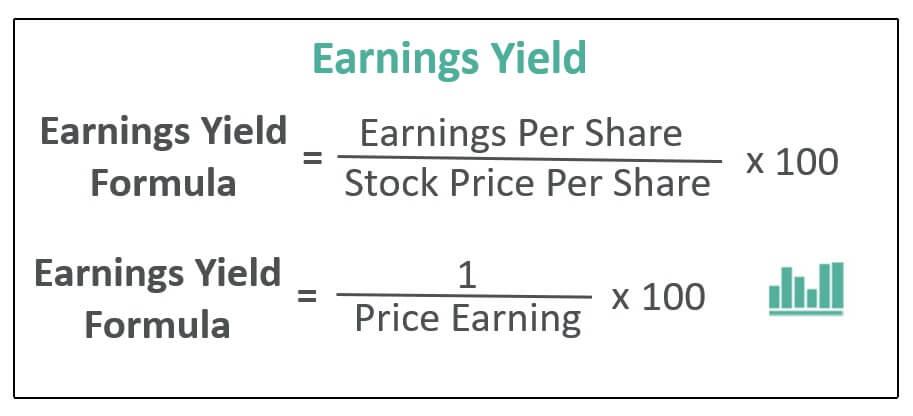
Earnings Yield is a fundamental ratio that expresses a company's earnings as a percentage of its market price. It is essentially the inverse of the Price-to-Earnings (P/E) ratio and is used to evaluate how much a company is earning relative to its stock price. Formula: Earnings Yield = (Earnings per Share / Market Price per Share) × 100 Alternatively: Earnings Yield = 1 / P/E Ratio × 100 Why It Matters: Earnings Yield is a valuable tool for comparing a company’s profitability to other investment options, such as bonds or fixed deposits. For example, if a stock has an earnings yield of 7%, it means you’re earning ₹7 for every ₹100 invested in the stock—comparable to a 7% return elsewhere. • Higher Earnings Yield suggests the stock may be undervalued or generating good earnings relative to its price. • Lower Earnings Yield could indicate overvaluation or weak earnings relative to the stock price. It's especially useful when comparing: • Stocks within the same sector. • Stocks vs. fixed income returns (like 10-year government bonds). Practical Use Case: Suppose Company A has an EPS of ₹20 and the stock trades at ₹400. Earnings Yield = (20 / 400) × 100 = 5% If the 10-year government bond is yielding 6.5%, this stock may appear less attractive unless it offers growth potential or other qualitative strengths. Key Insights: • Value investors often prefer stocks with high earnings yield, as it may indicate a good return for the price. • Growth stocks usually have low earnings yield due to higher market prices relative to current earnings.