25th May 2025 · SEBI-Registered Analyst
Investment Insights with Adarsh · 25th May 2025
How Interest Rates Impact Bonds
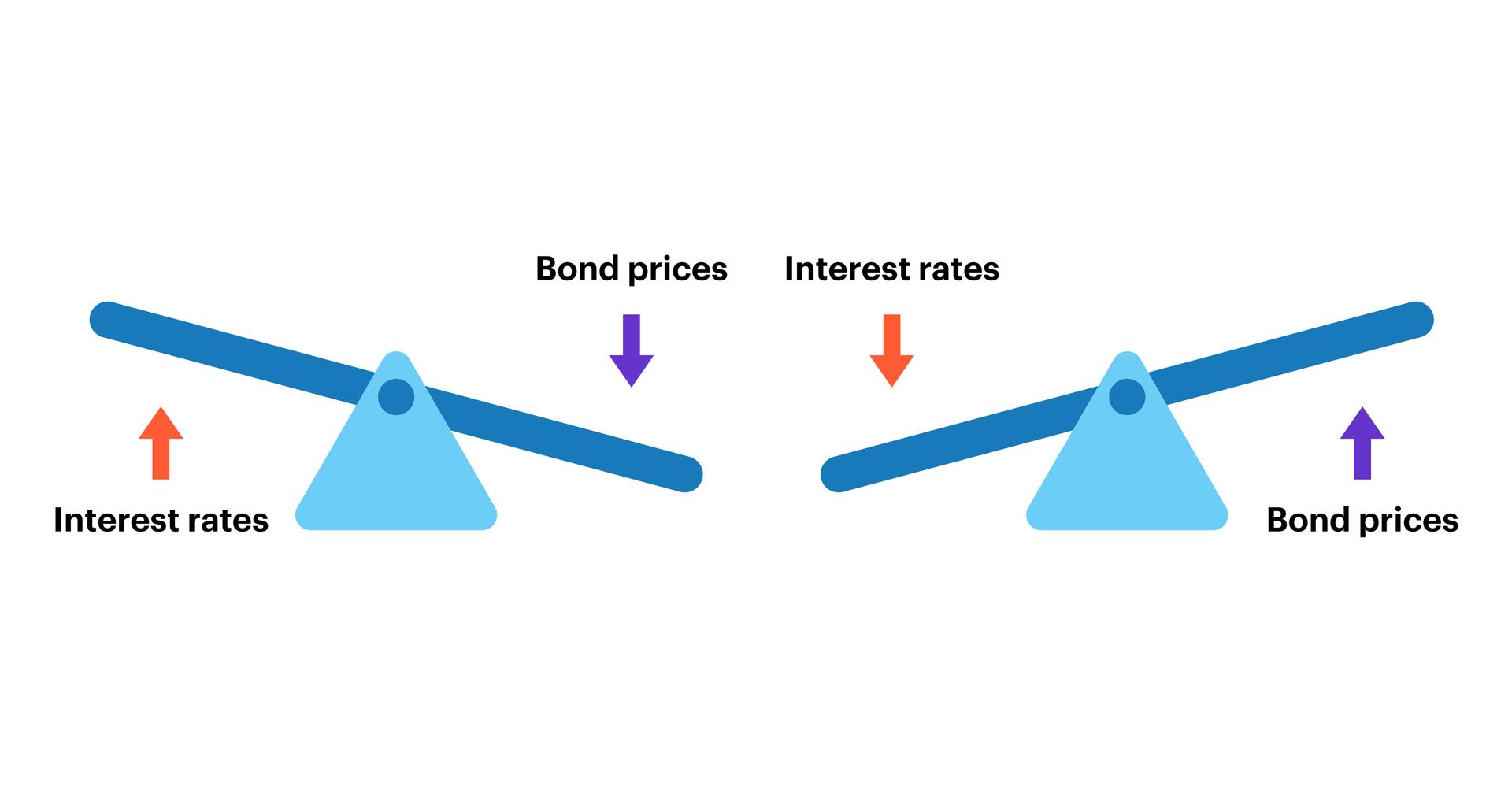
Interest rates play a crucial role in the bond market. When interest rates change, bond prices move in the opposite direction. Understanding this relationship is key to making informed investment decisions. The Inverse Relationship When interest rates rise, existing bond prices fall. When interest rates fall, existing bond prices rise. Why This Happens Imagine you own a bond paying 7% interest. If new bonds in the market start offering 8% (because interest rates increased), your 7% bond becomes less attractive. To sell it, you’ll need to offer it at a discount, causing its market price to drop. Example • You buy a ₹1,000 bond with a 7% coupon (₹70 annually). • A year later, interest rates rise, and new bonds pay 8% (₹80 annually). • To match the 8% return, you must reduce your bond’s price so buyers still get a similar return. • Your bond’s market value might fall to ₹875–₹900. Duration Sensitivity Longer-term bonds are more sensitive to interest rate changes. A 10-year bond will drop more in value than a 2-year bond if rates rise. Implications for Investors • If interest rates are expected to rise, prefer short-term bonds or floating rate options. • If rates are expected to fall, locking into long-term bonds can give you better returns and capital appreciation. Yield to Maturity (YTM) YTM is the total return you can expect if you hold the bond till maturity. It adjusts for the bond’s current market price and interest rate, making it a better indicator than just the coupon rate. Key Takeaways • Interest rate risk is real and impacts bond value, especially in the secondary market. • For safety, align bond maturity with your investment timeline. • Use RBI Retail Direct or bond mutual funds to manage risk easily.