2nd Jun 2025 · SEBI-Registered Analyst
Investment Insights with Adarsh · 2nd Jun 2025
Low Duration Funds
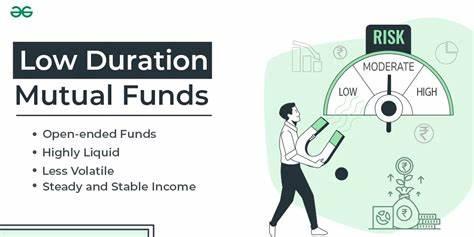
What Are Low Duration Funds? • A type of debt mutual fund that invests in fixed-income securities. • Portfolio duration is between 6 months to 12 months. • Positioned between ultra short and short duration funds in terms of risk and returns. Where Do They Invest? • Commercial Papers (CPs) • Certificates of Deposit (CDs) • Corporate Bonds • Treasury Bills (T-Bills) • Government Securities (G-Secs) • Money market instruments Purpose and Suitability • Suitable for investors with an investment horizon of 6 to 12 months. • Ideal for those looking for better returns than ultra short duration funds without taking high credit or duration risk. • Acts as a buffer against interest rate volatility while aiming for higher yield. Key Features • Portfolio duration: Between 6 months to 1 year (mandated by SEBI). • Returns: Typically range from 5.5% to 7.5%, depending on market conditions. • Risk: Moderate; more exposure to rate and credit risks than liquid or ultra short funds. • Liquidity: Good; redemption in T+1 working day. • Exit Load: Usually nil or applicable if redeemed before 7 days. • No lock-in period Taxation • Short-Term Capital Gain (if held < 3 years): Taxed as per income slab. • Long-Term Capital Gain (if held ≥ 3 years and bought before April 2023): 20% tax with indexation. • Post-April 2023: Taxed as per slab unless equity exposure ≥ 35%. Pros • Better yield than ultra short or liquid funds. • Useful during stable or falling interest rate scenarios. • Can manage both credit and duration risk better with active fund management. Cons • Higher interest rate sensitivity than liquid or ultra short funds. • Returns can fluctuate more than shorter duration funds. • Not meant for very short-term or long-term investments.