18th Jun 2025 · SEBI-Registered Analyst
Investment Insights with Adarsh · 18th Jun 2025
Scalping – Ultra Short-Term Trading Strategy
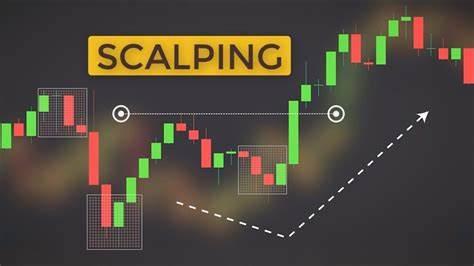
Scalping is one of the fastest-paced trading strategies, designed to profit from minor price movements over extremely short periods—often just seconds or minutes. Unlike swing or positional trading, scalpers enter and exit positions rapidly, aiming to capture tiny price changes multiple times throughout the trading session. Key Characteristics of Scalping: • Time Horizon: Positions last for seconds to minutes; rarely more than a few minutes. • Trade Frequency: High; a scalper may place 20 to 100+ trades a day. • Target Profit: Very small (typically 0.1% to 0.5% per trade), but compounded over many trades. Core Scalping Techniques: 1. Market Making: Profiting from bid-ask spreads by simultaneously placing buy and sell orders around the market price. 2. Breakout Scalping: Entering trades during breakouts from tight consolidation on 1- or 5-minute charts. 3. Momentum Scalping: Riding a strong directional move briefly—jump in quickly, jump out faster. Tools & Indicators Commonly Used: • Timeframes: 1-minute, 3-minute, and tick charts • Indicators: VWAP, Bollinger Bands, Stochastic RSI, Moving Averages (5/9 EMA) • Software: Fast and direct-market-access (DMA) brokers; hotkeys for instant execution Pros: • Profits accumulate fast if executed properly. • Almost no overnight risk. • Frequent opportunities allow quick capital turnover. • Clear entry and exit rules reduce decision fatigue if systemized. Cons: • Emotionally exhausting and stressful. • High brokerage, slippage, and taxes can erode gains. • Requires undivided attention and mental stamina. • Extremely dependent on speed, technology, and discipline. Is Scalping Right for You? Scalping suits only highly disciplined traders with fast reflexes and a strong psychological edge. You must thrive in high-pressure environments and be okay with lower per-trade profits. It’s not ideal for beginners or those who can't monitor markets full-time.