15th May 2025 · SEBI-Registered Analyst
Investment Insights with Adarsh · 15th May 2025
The Rise of Vulture Funds – How Investors Profit From Distressed Debt & Economic Collapses
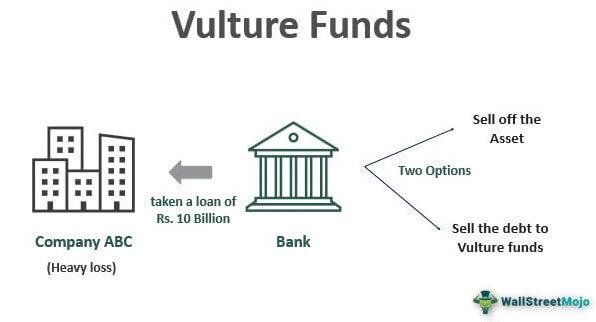
How They Operate (Step-by-Step) 1️⃣ Target Selection: Focus on countries/companies with: • Unpaid sovereign bonds (e.g., Argentina’s $95B default in 2001) • Legal vulnerabilities (U.S. courts often enforce repayment) 2️⃣ Debt Acquisition: Buy bonds for 1-30 cents per dollar from desperate sellers. 3️⃣ Aggressive Litigation: Sue for full face value + interest (often 200-1,000% returns). Key Players & Tactics • Paul Singer’s Elliott Management: Recovered $2.4B from Peru in 2000. • Automatic Stay Loophole: Bypasses bankruptcy protections by suing in foreign courts. • Asset Tracking: Hire investigators to locate hidden state assets (e.g., seized an Argentine naval ship in 2012). Ethical Dilemmas 🔥 Human Cost: Zambia faced lawsuits while battling COVID (debts >20% of GDP). ⚖️ Legal Grey Zones: Exploiting "pari passu" clauses to block debt restructuring. Regulatory Pushback • UK & EU laws now limit vulture fund lawsuits. • IMF’s Debt Relief Programs exclude funds that refuse negotiations. Irony: These funds often hold humanitarian bonds (e.g., pandemic relief debt) to improve PR. 💡 Poll Idea: "Should vulture funds be banned, or are they just 'smart capitalism'?" Visual Tips: Use courtroom cartoons, debt crisis timelines, or hedge fund manager portraits (like Singer).