4th May 2025 · SEBI-Registered Analyst
Investment Insights with Adarsh · 4th May 2025
Types of Stock Orders
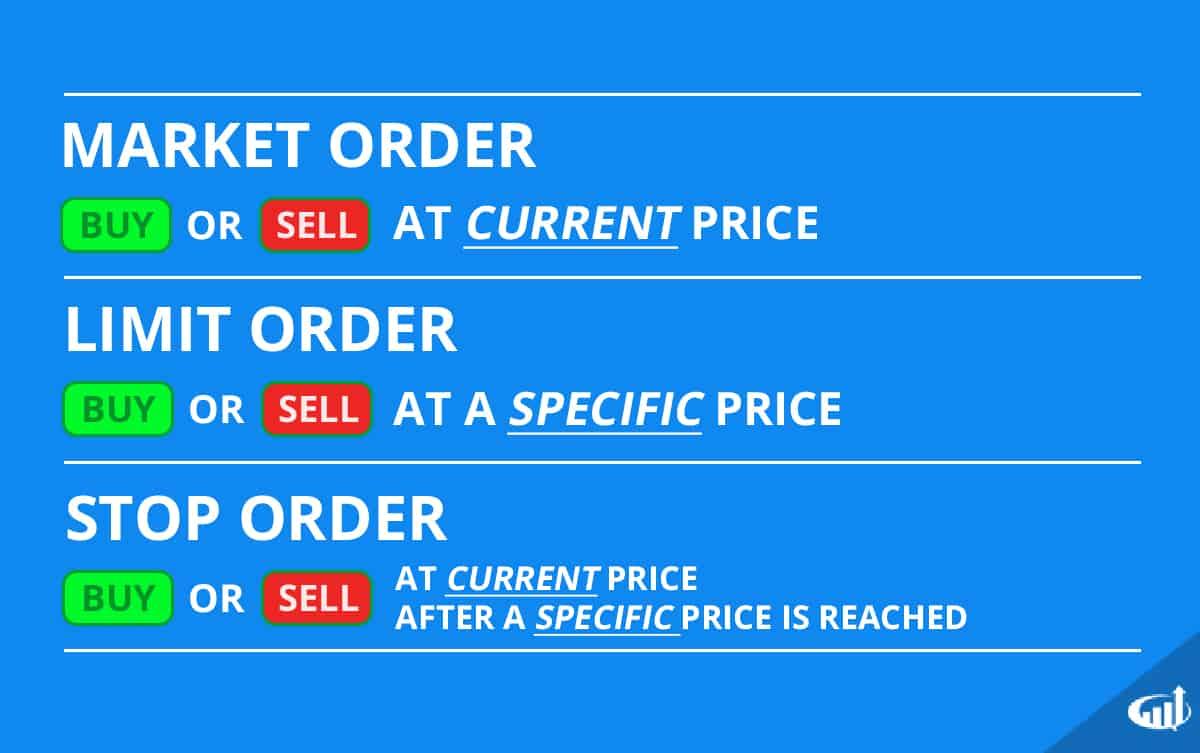
Understanding the types of orders you can place in the stock market is crucial for managing your trades effectively. Each order type determines how and when your trade will be executed. 1. Market Order • A market order executes immediately at the best available current price. • Best for when you want to buy or sell quickly, regardless of slight price changes. • No control over the execution price. Example: You place a market order to buy 100 shares; they get bought at the prevailing market price, which could change in seconds. 2. Limit Order • A limit order lets you set a maximum price you’re willing to pay (for buying) or a minimum you’re willing to accept (for selling). • The order is only executed if the market hits your set price. Example: You place a buy limit order at ₹200. It only executes if the stock price drops to ₹200 or lower. 3. Stop-Loss Order • A stop-loss order is used to limit your losses. • It triggers a market order when the stock reaches a certain price. Example: You own a stock at ₹500 and set a stop-loss at ₹480. If the stock falls to ₹480, it’s automatically sold. 4. Stop-Limit Order • Combines a stop-loss with a limit order. • When the stop price is triggered, a limit order is placed, not a market order. • You get more price control but no guarantee of execution. 5. GTT (Good Till Triggered) • A GTT order stays active until your condition is met. • Popular in platforms like Zerodha, it automates entry/exit based on trigger prices. 6. Bracket Order (BO) • A bracket order includes target, stop-loss, and trailing stop-loss in one order. • Often used in intraday trading for tight risk management. 7. Cover Order (CO) • A cover order requires you to set a stop-loss when placing a market order. • Used for higher leverage and faster execution, especially in intraday trading.