9th May 2025 · SEBI-Registered Analyst
Investment Insights with Adarsh · 9th May 2025
Volatility Risk Premium (VRP) – Profiting from the Fear Premium
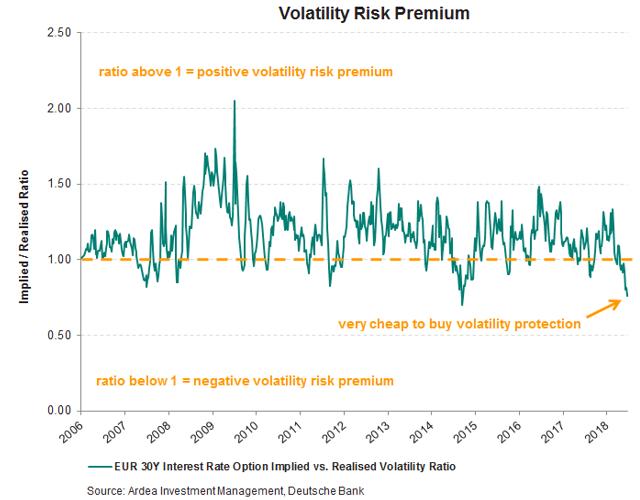
The Volatility Risk Premium is the difference between implied volatility (IV) and realized (historical) volatility. It reflects the tendency of options to be overpriced due to investor fear or demand for protection. What Is It? • Implied Volatility (IV): The market's expectation of future volatility, reflected in option prices. • Realized Volatility: The actual volatility observed over time. • VRP = IV − Realized Volatility If IV is 20% and realized is 14%, VRP is 6%. This premium exists because options buyers pay extra for protection, while sellers demand a premium for taking on risk. Why It Exists 1. Investors Hedge Fear: They often overpay to protect against downside risks. 2. Market Makers Charge a Premium: For providing insurance via options. 3. Asymmetry in Risk: Sudden drops in markets are more violent than rallies, so options price in that risk. How Traders Use VRP • Option Selling Strategies: Like straddles, strangles, or iron condors, aim to capture VRP. • Volatility Arbitrage: Professionals sell implied volatility and hedge with underlying positions to profit from the spread. • VIX Trading: Shorting volatility (e.g., via VIX futures or inverse ETFs) aims to benefit from high VRP environments. Risks of Exploiting VRP • Black Swan Events: Sudden spikes in volatility can cause massive losses for short-vol positions. • Decay Isn’t Guaranteed: Implied volatility can remain high if markets stay fearful. • Requires Tight Risk Management: Especially for retail traders. Final Word Volatility Risk Premium is a reliable long-term source of income for professional option sellers. But exploiting it without understanding the risks can lead to major drawdowns. It’s a strategy built on patience, precision, and protection.