21st Mar 2025 · SEBI-Registered Analyst
Investment Insights with Adarsh · 21st Mar 2025
VOLUME ANALYSIS: HOW TO READ MARKET STRENGTH (PART 1)
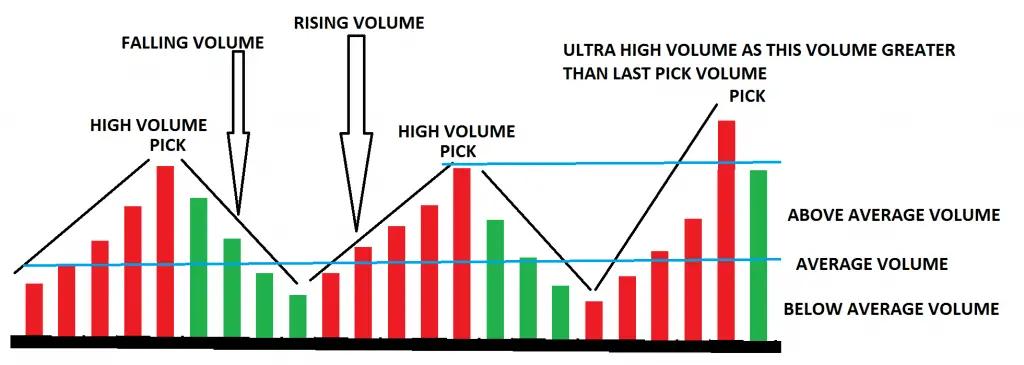
Volume Analysis is a critical tool for understanding market strength and gauging the conviction behind price movements. Volume refers to the number of shares, contracts, or units traded during a given period. It is often called the "fuel" of price movement. Understanding how to read and interpret volume can give traders a deeper insight into the potential direction of the market and help confirm trends or reversals. Why is Volume Important? Volume provides essential information about market activity. It indicates how much interest there is in an asset at a particular price level, which can help assess the sustainability of a price move. High volume typically means there is a strong consensus behind a move, while low volume may suggest a lack of conviction or potential reversal. Here are the main ways volume is used to read market strength: 1. Volume and Price Relationship The relationship between price movement and volume can provide significant clues about the strength or weakness of a trend. Here are the key volume-price relationships to look for: Bullish Market Confirmation: • Price Up + Volume Up: When the price rises with increasing volume, this is a strong confirmation that buyers are in control, and the trend is likely to continue. It shows genuine demand and momentum. • Price Down + Volume Down: A downward price movement with decreasing volume suggests that the selling pressure is weakening, and the market may be getting ready for a reversal or consolidation. Bearish Market Confirmation: • Price Down + Volume Up: A price drop accompanied by rising volume signals strong selling pressure and can confirm that the trend is bearish. It suggests conviction in the downward move. • Price Up + Volume Down: An upward price movement with decreasing volume can indicate a lack of buying interest, suggesting that the price increase may not be sustainable. READ NEXT PART FOR MORE DETAILS