25th May 2025 · SEBI-Registered Analyst
Investment Insights with Adarsh · 25th May 2025
What Are Debentures
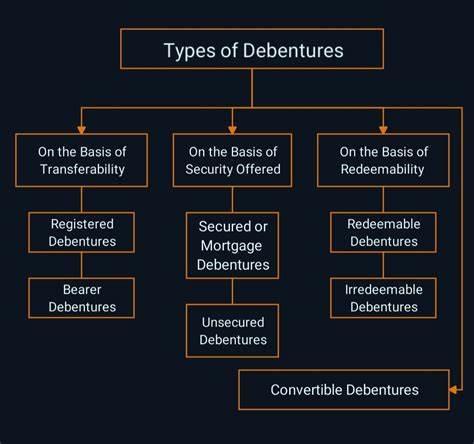
Debentures are long-term debt instruments issued by companies to borrow money from the public. Like bonds, they offer a fixed interest rate and repay the principal at maturity. However, unlike bonds, most debentures are unsecured, meaning they are not backed by specific assets or collateral. Key Features of Debentures Face Value: The principal amount the investor lends. Interest Rate: Fixed or floating; paid at regular intervals. Tenure: Varies from a few years to over a decade. Convertibility: Some debentures can be converted into equity shares. Types of Debentures 1. Secured Debentures – Backed by company assets. Investors have a claim on those assets in case of default. 2. Unsecured Debentures – Not backed by collateral; higher risk. 3. Convertible Debentures – Can be converted into equity shares after a certain period. 4. Non-Convertible Debentures (NCDs) – Cannot be converted into shares; offer higher interest to compensate. Why Companies Issue Debentures • To raise funds without giving up ownership • Less regulatory burden compared to issuing equity • Flexible repayment structures Why Investors Buy Debentures • Higher interest than fixed deposits or bonds • Fixed and predictable returns • Option to choose tenure and type (secured/unsecured) Risks Involved Credit Risk: Higher if the issuing company has low creditworthiness Liquidity Risk: NCDs may not always have active buyers No Ownership: Debenture holders are lenders, not shareholders; no voting rights Interest Rate Risk: If interest rates rise, existing debentures become less attractive Conclusion Debentures are a valuable tool for investors seeking fixed returns with moderate to high risk, especially in well-rated companies. Always check the credit rating before investing, and prefer secured or AAA-rated debentures for safety.