10th May 2025 · SEBI-Registered Analyst
Investment Insights with Adarsh · 10th May 2025
What Are Swaps? – An Overlooked Yet Powerful Financial Derivative
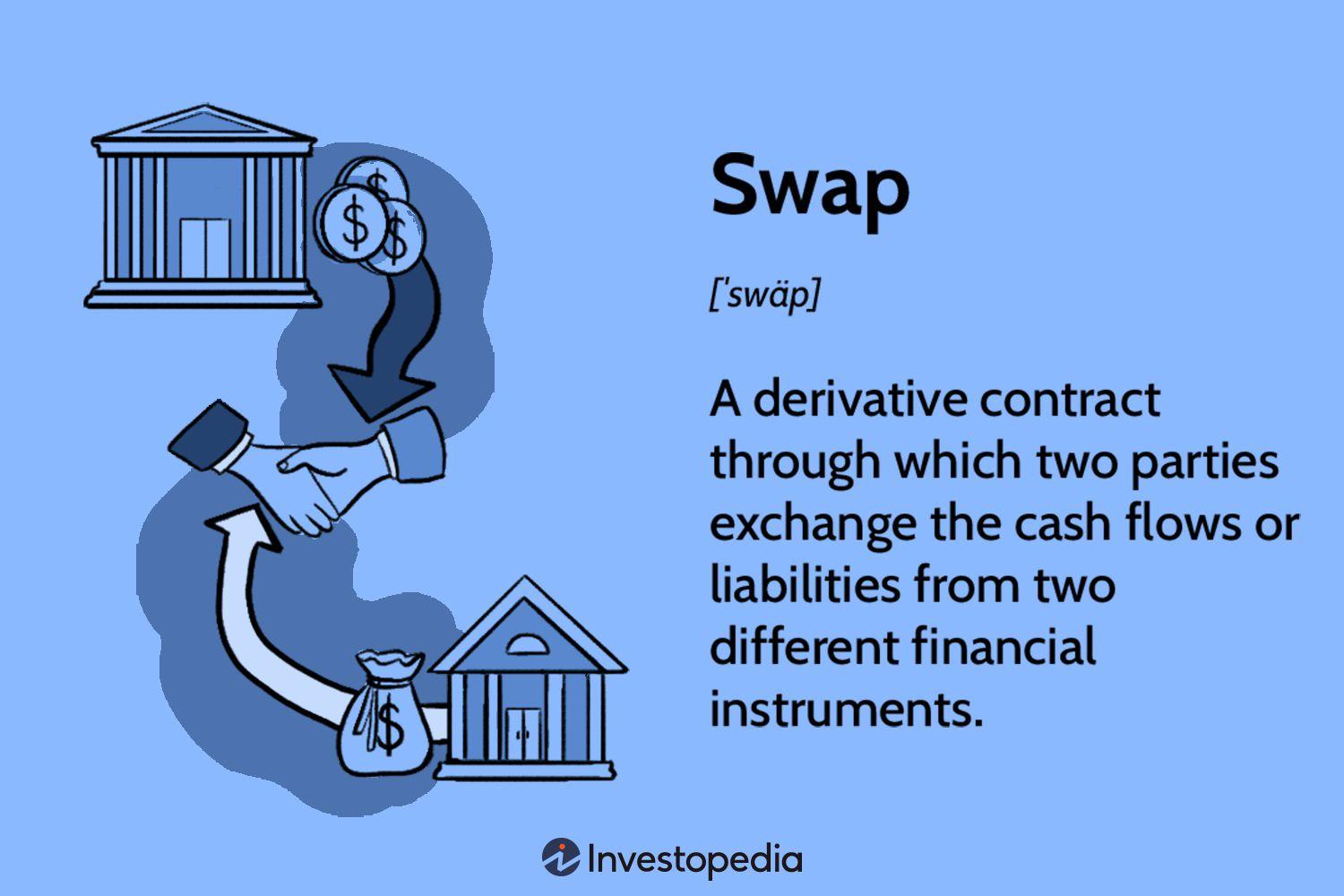
Swaps are derivative contracts where two parties exchange (or “swap”) the cash flows or liabilities from two different financial instruments. Though less talked about in retail investing, swaps play a huge role in global finance, especially among institutions and corporations. Key Types of Swaps 1. Interest Rate Swaps The most common type, where one party exchanges a fixed interest rate for a floating rate, or vice versa, on a notional principal amount. Use Case: Companies use this to manage exposure to interest rate fluctuations. 2. Currency Swaps Parties exchange principal and interest payments in different currencies. Use Case: Multinational corporations use this to hedge foreign exchange risks. 3. Commodity Swaps Cash flows linked to commodity prices (like oil, metals) are exchanged. Use Case: Companies hedge against the volatility of commodity prices. 4. Credit Default Swaps (CDS) A form of insurance where one party pays a premium in exchange for a payout if a borrower defaults. Use Case: Widely used in bond markets to manage credit risk. How Do Swaps Work? • Swaps are over-the-counter (OTC) contracts, meaning they are privately negotiated. • They don’t involve exchanging actual assets but rather cash flows based on those assets. • No initial principal typically changes hands, except in currency swaps. Why It Matters: • Risk Management: Swaps allow institutions to fine-tune interest, currency, or credit exposures. • Cost Reduction: Swaps can provide more favorable rates than issuing new debt. • Strategic Flexibility: They allow firms to respond dynamically to economic changes. Swaps may seem abstract but are foundational to the global financial system—worth knowing even if you're not using them directly.