23rd Apr 2025 · SEBI-Registered Analyst
Investment Insights with Adarsh · 23rd Apr 2025
What Is Return on Equity (ROE)?
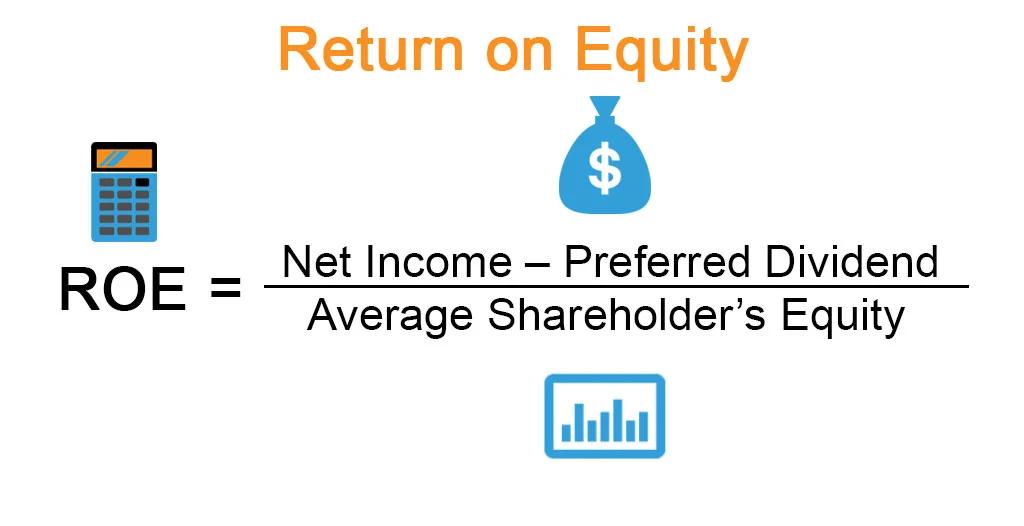
Definition Return on Equity (ROE) measures a company’s ability to generate profit from its shareholders' equity. It reflects how effectively the management is using the investors’ capital to create earnings. Formula ROE = (Net Income ÷ Shareholders’ Equity) × 100 Purpose ROE helps investors assess how well a company is utilizing its capital to generate profit. A higher ROE typically indicates a more efficient company with strong financial management. Example If a company earns ₹10 crore in net income and has ₹50 crore in shareholders’ equity: ROE = (10 ÷ 50) × 100 = 20% This means the company generates ₹20 profit for every ₹100 of shareholder investment. What ROE Tells Investors A consistently high ROE suggests strong business fundamentals and competitive advantage. A low or declining ROE might indicate poor management efficiency or a struggling business model. Sustainable vs. Inflated ROE Sometimes, a high ROE is the result of excessive debt rather than true operational efficiency. That’s why it's important to look at the debt-to-equity ratio alongside ROE. Best Used With P/B Ratio: to evaluate if a stock is over- or undervalued based on its returns Debt-to-Equity Ratio: to understand if ROE is boosted artificially through leverage Limitations Doesn’t account for debt levels or risk Can be distorted in companies with volatile earnings or one-time profits Not always comparable across industries