22nd Mar 2025 · SEBI-Registered Analyst
Investment Insights with Adarsh · 22nd Mar 2025
PRICE ACTION TRADING STRATEGIES: PART 1
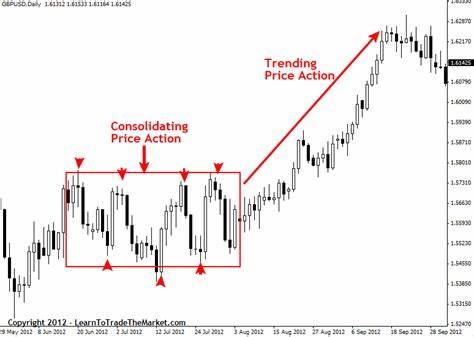
Price Action Trading is a popular method of technical analysis that involves making trading decisions based on the movement of price, rather than relying on indicators or other tools. Price action traders use the price itself, often combined with patterns, candlestick formations, and support and resistance levels, to predict future price movements. 1. Support and Resistance Zones Support and resistance levels are key areas where price tends to reverse or consolidate. These levels are created by historical price movements and act as barriers where buying and selling pressure is significant. Strategy: • Support: A price level where the market tends to find buying interest and prevents the price from falling further. • Resistance: A price level where the market tends to find selling pressure, preventing the price from rising further. Entry Signal: • Buy near a support level, especially after a price rejection or bullish candlestick formation like a hammer or bullish engulfing. • Sell near a resistance level, particularly after a price rejection or a bearish candlestick pattern like a shooting star or bearish engulfing. 2. Trend Continuation Strategies (Breakouts) In a trending market, price action traders look for opportunities to enter in the direction of the prevailing trend, expecting the trend to continue. Strategy: • Identify the Trend: Use higher highs and higher lows in an uptrend or lower highs and lower lows in a downtrend. • Breakout from Consolidation: Watch for periods of consolidation or range-bound price action, then look for a breakout from the range. A breakout occurs when the price moves decisively beyond a resistance or support level. Entry Signal: • Buy when the price breaks above a previous resistance level in an uptrend. • Sell when the price breaks below a previous support level in a downtrend. READ MORE IN NEXT PART