20th May 2025 · SEBI-Registered Analyst
Investment Insights with Adarsh · 20th May 2025
Retention Ratio (Plowback Ratio)
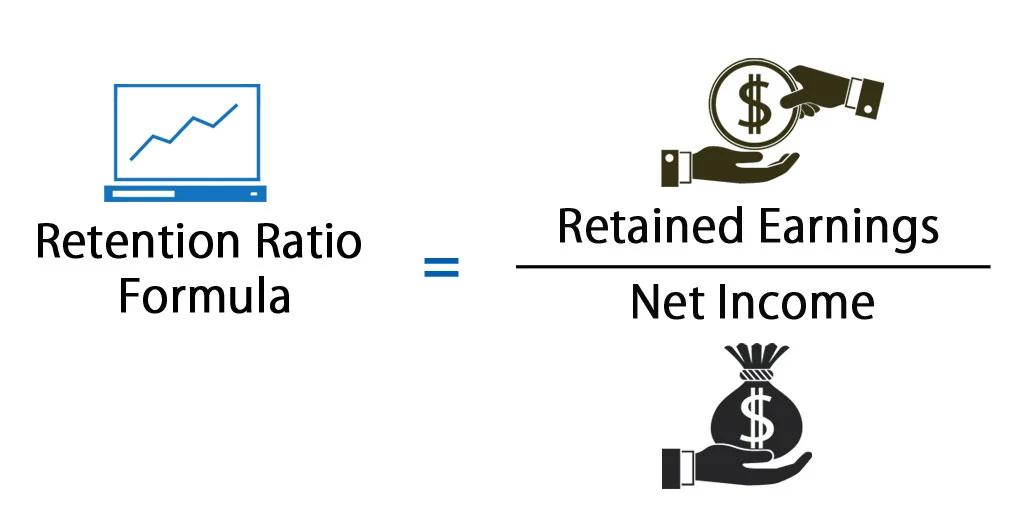
The Retention Ratio is a fundamental financial metric that shows how much of a company’s net income is being retained or reinvested into the business, rather than being distributed to shareholders in the form of dividends. It is also commonly referred to as the Plowback Ratio because it reflects how much profit is "plowed back" into the company to support future growth. Formula: Retention Ratio = 1 − Dividend Payout Ratio Or Retention Ratio = (Net Income − Dividends) / Net Income This formula calculates the percentage of earnings that are kept within the company after dividend payments. A ratio of 0.70 (or 70%) means that 70% of the profit is retained, and only 30% is distributed to shareholders. Why It Matters: This ratio is important for understanding a company’s growth strategy. High-growth companies, especially in the technology, infrastructure, and manufacturing sectors, often retain a large portion of their profits to fund expansion, product development, or repay debt. On the other hand, mature or dividend-paying companies in stable industries like FMCG, utilities, or consumer durables might have a lower retention ratio, as they return most of their profits to shareholders through dividends due to limited growth opportunities. Practical Example: If a company earns ₹200 crore in net income and pays ₹50 crore as dividends, the retention ratio is: (200 − 50) / 200 = 0.75 or 75% This means 75% of profits are retained for internal use. Link to Growth: Investors also use the retention ratio to estimate a company’s Sustainable Growth Rate (SGR) using the formula: SGR = ROE × Retention Ratio Summary: The Retention Ratio provides critical insight into a company's priorities—whether it's focused on rewarding shareholders with dividends or reinvesting in itself for growth. Evaluating this ratio in the context of the company’s industry, stage of maturity, and capital requirements can help investors align their expectations with the company’s strategy.